Succulent Care Guide

Mukesh Kumar
| 26-05-2026
 · Lifestyle Team
A sunlit windowsill often resembles a miniature desert landscape, dotted with compact rosettes and fleshy, water-storing leaves.
Succulents are widely regarded as low-maintenance plants; however, they still require consistent, well-informed care to thrive long-term.
Understanding their environmental needs is key to maintaining healthy growth and preventing common cultivation issues.
Light Requirements
1. Bright, indirect sunlight
Succulents perform best with approximately six hours of bright light daily. Indoors, south-facing windows are typically ideal, while outdoor plants benefit from morning sunlight combined with partial afternoon shade to reduce the risk of leaf scorch. Changes in leaf color or elongation of growth may indicate insufficient or excessive light exposure.
Party Decor Hacks That Will Instantly Wow Your Guests (Without Breaking the Bank!)
Tired of Boring Windows? Try These 4 Stylish Corners That Will Transform Your Home Instantly!
Your houseplant isn't dead yet — these simple fixes can bring it back before it's too late
Most succulent owners are doing this wrong, and it’s quietly killing their plants with every watering.
Simple Tips to Make Your Dining Space Feel Warm and Inviting
Your shoes can harbor bacteria — here's how to banish odor overnight with items you already have
2. Avoid abrupt light transitions
Sudden movement from low-light conditions to intense direct sunlight can result in sun damage, including discoloration and tissue damage on leaves. Gradual acclimatization is essential to ensure plant stability and healthy adaptation.
3. Seasonal lighting adjustments
During periods of reduced daylight, particularly in winter, supplemental LED grow lighting can help maintain adequate photosynthetic activity and prevent etiolation (unnatural stretching due to low light).
Watering Techniques
1. Controlled, deep watering
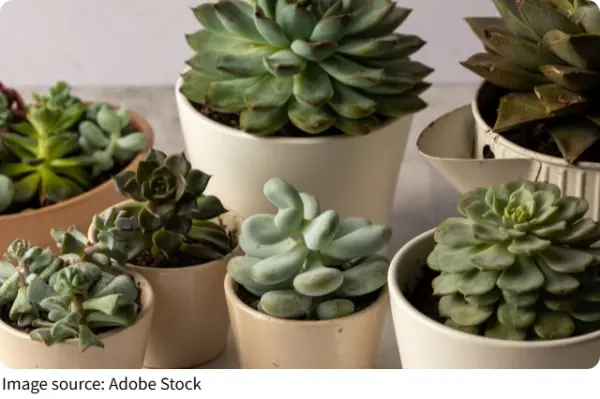
Succulents store water within their leaves, stems, and roots, making them highly sensitive to overwatering. Water thoroughly but infrequently, allowing the soil to dry completely between watering cycles. Frequency typically ranges from once every one to two weeks in warmer months, with reduced intervals during cooler seasons depending on environmental conditions.
2. Well-draining soil composition
Use a specialized cactus or succulent potting mix designed to facilitate rapid drainage. Proper soil structure prevents water retention around the root system, significantly reducing the risk of root rot. Containers should always include drainage holes.
3. Physiological indicators
Leaf condition provides reliable insight into plant hydration status. Wrinkled or shriveled leaves often indicate dehydration, while translucent, soft, or mushy leaves are typically signs of excess moisture.
Temperature and Environmental Conditions
1. Optimal temperature range
Most succulents thrive in temperatures between 60–80°F (15–27°C). While some tolerance exists for cooler nighttime temperatures, prolonged exposure below 40°F (4°C) may result in cellular damage and reduced plant vitality. In colder climates, indoor relocation during winter is recommended.
2. Protection from environmental stress
Drafts from windows, air conditioning units, or heaters can cause physiological stress, leading to slowed growth or leaf drop. A stable and consistent environment supports healthy development.
3. Humidity and airflow management
Succulents prefer low to moderate humidity levels. Excess humidity combined with inadequate airflow can promote fungal infections and rot. Adequate spacing between plants and improved air circulation helps mitigate these risks.
Fertilization and Maintenance
1. Minimal fertilization requirements
Succulents require limited fertilization. During active growing periods, a diluted, balanced fertilizer applied once monthly is sufficient. Fertilization should be avoided during dormancy, particularly in winter.
2. Pruning and hygiene
Regular removal of dead or dried leaves supports plant health and reduces the likelihood of pest infestations. Routine inspection of the plant base is recommended to identify early signs of mold or insects.
3. Repotting practices
Repotting is recommended every two to three years to replenish soil nutrients and accommodate growth. Root disturbance should be minimized during the process, and slightly larger containers with proper drainage should be selected.
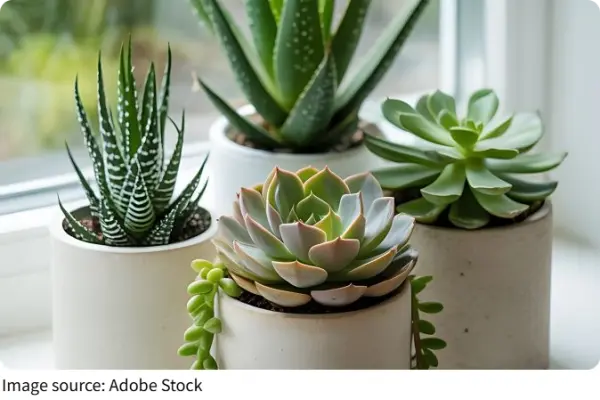
Successful succulent care is based on environmental balance and consistent observation rather than frequent intervention. When provided with appropriate light, controlled watering, stable temperatures, and well-draining soil, succulents demonstrate strong resilience and long-term vitality. With proper care, they serve as enduring, visually striking additions to both indoor and outdoor environments.